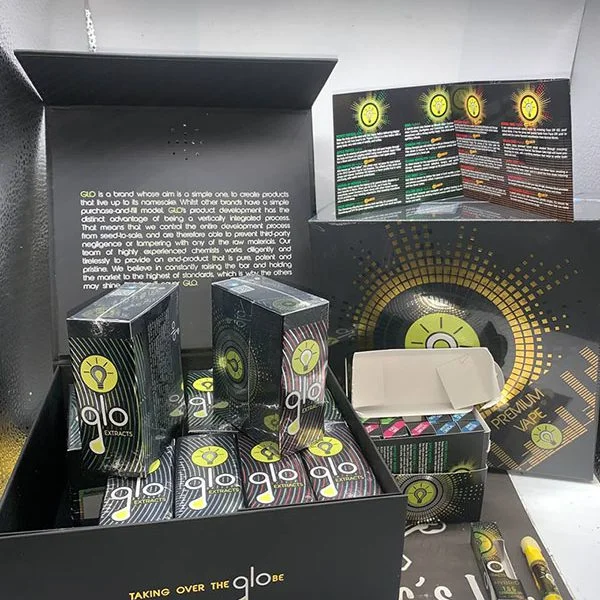
glass vs plastic vape carts
Vaporizer technology has advanced significantly, but the underlying safety of a vape cartridge still depends heavily on its raw materials. While consumers often focus on oil purity, strain profiles, or cannabinoid percentages, the physical container holding the extract plays a critical role in safety, chemical stability, and overall flavor.
When heating high-viscosity cannabis concentrates or e-liquids, the housing material is exposed to thermal expansion, acidity, terpenes, and physical stress. The two most common materials used for cartridge chambers are borosilicate glass and food-grade plastics (such as polycarbonate, acrylic, or PCTG).
The Chemical Safety Breakdown: Glass vs. Plastic
Safety in vape hardware centers on two key risks: chemical leaching and material degradation. Concentrates contain volatile hydrocarbons, acidic fractions, and natural solvents (terpenes) that constantly interact with the inner wall of the reservoir. terpene plastic degradation
┌─────────────────────────────────────────────────────────────────────────┐
│                     CHEMICAL SAFETY EVALUATION PIPELINE                 │
├─────────────────┬───────────────────────────────────────────────────────┤
│ Evaluation Area │ Glass Cartridges (Borosilicate)                       │
├─────────────────┼───────────────────────────────────────────────────────┤
│ Chemical Inertness│ Completely non-reactive to solvents, oil, & terpenes │
│ Leaching Risk   │ Zero risk of microplastics, BPA, or phthalate migration│
│ Heat Resistance │ High thermal shock tolerance (up to 500°F+)           │
├─────────────────┼───────────────────────────────────────────────────────┤
│ Evaluation Area │ Plastic Cartridges (Polycarbonate / PCTG)             │
├─────────────────┼───────────────────────────────────────────────────────┤
│ Chemical Inertness│ Soluble against harsh acidic terpenes over time       │
│ Leaching Risk   │ Potential for micro-leaching under high heat or age   │
│ Heat Resistance │ Structural softening or off-gassing at lower thresholds│
└─────────────────┴───────────────────────────────────────────────────────┘
1. Chemical Inertness & Leaching Risks
- Borosilicate Glass: Glass is chemically inert, meaning it does not react with the liquid stored inside it. It contains zero plasticizers, bisphenol compounds (BPA/BPS), or phthalates. Even when exposed to acidic plant fractions or stored for extended periods, glass maintains a completely non-porous barrier.
- Plastics (Polycarbonate, Acrylic, PCTG): Synthetic polymers require chemical additives to achieve clarity and flexibility. While modern food-grade plastics like PCTG (Polycyclohexylenedimethylene Terephthalate Glycol) offer improved chemical resistance over older polycarbonates, plastics remain inherently porous at a microscopic level. Under continuous contact with concentrates, low-grade plastics can leach unwanted industrial trace compounds directly into the oil. glass cart vs plastic cart
2. The Role of Terpenes as Natural Solvents
Terpenes—such as Myrcene, Limonene, and Pinene—give cannabis oil its distinct aroma and flavor. However, terpenes are also natural solvents (Limonene, for instance, is widely used in industrial degreasers).
When high-concentration terpenes sit inside a plastic chamber for weeks or months, they can break down polymer bonds. This process, often referred to as “terpene degradation” or “cart clouding,” physically erodes the inner lining of a plastic tank, contaminating the oil with microscopic plastic particles and altering the flavor profile. Glass remains completely immune to terpene solvent breakdown. vape cartridge leaching
Thermal Resistance and Off-Gassing
Vape cartridges rely on internal heating elements that reach temperatures between 300°F and 450°F (150°C to 230°C) during operation.
┌─────────────────────────────────────────────────────────────────────────────────────────┐
│                      THERMAL AND MATERIAL MATRIX COMPARISON                             │
├─────────────────┬───────────────────────────────────┬───────────────────────────────────┤
│ Attribute       │ Borosilicate Glass                │ Medical/Food-Grade Plastic (PCTG) │
├─────────────────┼───────────────────────────────────┼───────────────────────────────────┤
│ Heat Melting Point│ Exceeds 1,400°F (760°C)          │ Softens at ~230°F–300°F           │
│ Terpene Defense │ 100% Impermeable                  │ Susceptible to high terpene erosion│
│ Structural Feel │ Premium, heavy, scratch-resistant │ Lightweight, flexible, crack-proof │
│ Breakage Risk   │ Can shatter upon high-impact drops│ Highly impact-resistant / durable │
│ Flavor Purity   │ Pure, zero residual taste         │ Potential subtle plastic aftertaste│
└─────────────────┴───────────────────────────────────┴───────────────────────────────────┘
1. Off-Gassing at High Temperatures
When heat radiates from the internal ceramic coil outward to the chamber walls, low-quality plastics can reach their heat deflection temperature. This thermal stress risks “off-gassing,” a process where volatile organic compounds (VOCs) are released from the plastic into the vapor path. Borosilicate glass withstands extreme thermal shocks without warping, softening, or releasing volatile gases. glass vs plastic vape carts
2. Flavor Retention
Because glass does not absorb essential oils or release trace odors, it preserves the authentic flavor of live resin, live rosin, or distillate. Plastic cartridges often impart a subtle chemical or metallic aftertaste, especially toward the bottom quarter of the oil where heat cycles accumulate. glass vs plastic vape carts
Pros and Cons Matrix: Glass vs. Plastic
Each material brings specific functional tradeoffs depending on how and where you use your vape.
                  ┌─────────────────────────────────┐
                  │    MATERIAL TRADEOFF ANALYSIS   │
                  └──────────────┬──────────────────┘
                                 │
         ┌───────────────────────┴───────────────────────┐
         ▼                                               ▼
  [ BOROSILICATE GLASS ]                         [ HIGH-GRADE PLASTIC ]
  • Maximum purity & safety                      • Impact-resistant durability
  • Pure flavor preservation                     • Lower production costs
  • Higher fragile breakage risk                 • Susceptible to chemical wear
Borosilicate Glass Cartridges
- Pros:
- Zero risk of chemical leaching, microplastics, or BPA contamination.
- Completely resistant to terpene degradation and solvent wear.
- Exceptional heat tolerance with zero risk of VOC off-gassing.
- Premium look, heavy in-hand weight, and scratch resistance.
- Cons:
- Prone to cracking or shattering if dropped onto hard surfaces.
- Marginally higher manufacturing costs reflected in retail pricing. glass vs plastic vape carts
Plastic (PCTG / Polycarbonate) Cartridges
- Pros:
- Highly durable and virtually shatterproof during accidental drops.
- Lightweight construction ideal for pocket carry or travel.
- More cost-effective to produce for entry-level disposable units.
- Cons:
- Risk of microscopic chemical leaching over extended storage times.
- Can cloud, warp, or degrade when paired with high-terpene concentrates.
- Lower thermal threshold, increasing the risk of altered flavor profiles. glass vs plastic vape carts
How to Identify Your Cartridge Material
If you are unsure whether your cartridge chamber is made of glass or plastic, use these simple evaluation steps:
- The Temperature Test: Glass feels noticeably cooler to the touch at room temperature compared to plastic. glass vs plastic vape carts
- The Tap Test: Gently tap the side of the chamber with a metal key or paperclip. Glass produces a sharp, clear ring, whereas plastic yields a dull, muted thud.
- Scratch Inspection: Run a clean paperclip firmly across an empty outer wall. High-grade glass resists light scratching, whereas plastic surfaces show fine surface marks easily.
- Product Packaging Verification: Check the brand’s lab reports or packaging specs. Reputable brands clearly state “Medical-Grade Borosilicate Glass” on compliant labeling. glass vs plastic vape carts
Best Practices for Maintaining Vape Safety
Regardless of which hardware material you use, following these basic maintenance rules protects both your health and oil quality:
- Store in a Cool, Dark Place: Direct sunlight and heat degrade cannabinoids while accelerating potential chemical interactions in plastic chambers.
- Maintain Voltage Standards: Keep battery settings between 2.0V and 2.8V to avoid overheating the oil or thermal stress on the hardware.
- Purchase Regulated Products: Always purchase cartridges from licensed dispensaries that provide full-panel third-party Certificates of Analysis (COAs) screening for heavy metals, residual solvents, and microbials. glass vs plastic vape carts
Detailed Product Description: Premium Ceramic & Glass 510 Cartridge
For e-commerce product detail pages (PDP) targeting high-purity hardware, structure your catalog descriptions using this optimized framework:
Product Overview
- Product Name: PureCore Medical-Grade Glass & Ceramic 510 Cartridge (1.0mL)
- Category: Empty Vape Hardware & Extract Refill Components
- Chamber Material: Heavy-Duty Borosilicate Glass
- Heating Core: Full Ceramic Heating Element with Dual Intake Ports
Performance & Safety Highlights
Experience uncompromised flavor and full chemical safety with the PureCore Glass 510 Cartridge. Built using ultra-durable borosilicate glass and a non-reactive ceramic heating core, this cartridge guarantees zero chemical leaching, zero heavy metal exposure, and maximum terpene preservation.
- Zero Leaching Architecture: Non-porous borosilicate chamber safeguards extracts against terpene erosion, microplastics, and VOC off-gassing.
- Precision Voltage Response: Optimized for low-temp vaporization (2.0V–2.8V) to protect delicate live resin and live rosin terpene profiles.
- Leak-Proof Seal: Dual silicone gaskets and medical-grade threading keep viscous oils securely stored without airflow blockages. glass vs plastic vape carts
Frequently Asked Questions
Are all plastic vape carts dangerous?
Not all plastic carts are inherently dangerous. High-grade food-safe plastics like PCTG offer much better chemical and heat resistance than cheap polycarbonates. However, for long-term storage or high-terpene extracts, glass remains the safer, more inert choice. glass vs plastic vape carts
Can terpenes really melt plastic vape carts?
High concentrations of terpenes (especially Limonene and Pinene) act as natural solvents. Over time, they can dissolve low-grade plastics, causing the tank to look cloudy or cracked and leeching micro-compounds into the oil.
Why do some brands still use plastic cartridges?
Plastic is cheaper to manufacture, easier to mold into custom shapes, and shatterproof. This makes plastic popular for budget-tier disposables where durability during shipping and low production costs are prioritized. glass vs plastic vape carts
How do I know if my glass cart is authentic?
Authentic glass carts feature clear batch tracking, batch-matched COAs, precise laser-etched branding, and heavy-gauge borosilicate glass that feels cold to the touch and resists scratching. glass vs plastic vape carts